Why Strength Training Matters
More Than Muscle and Fitness
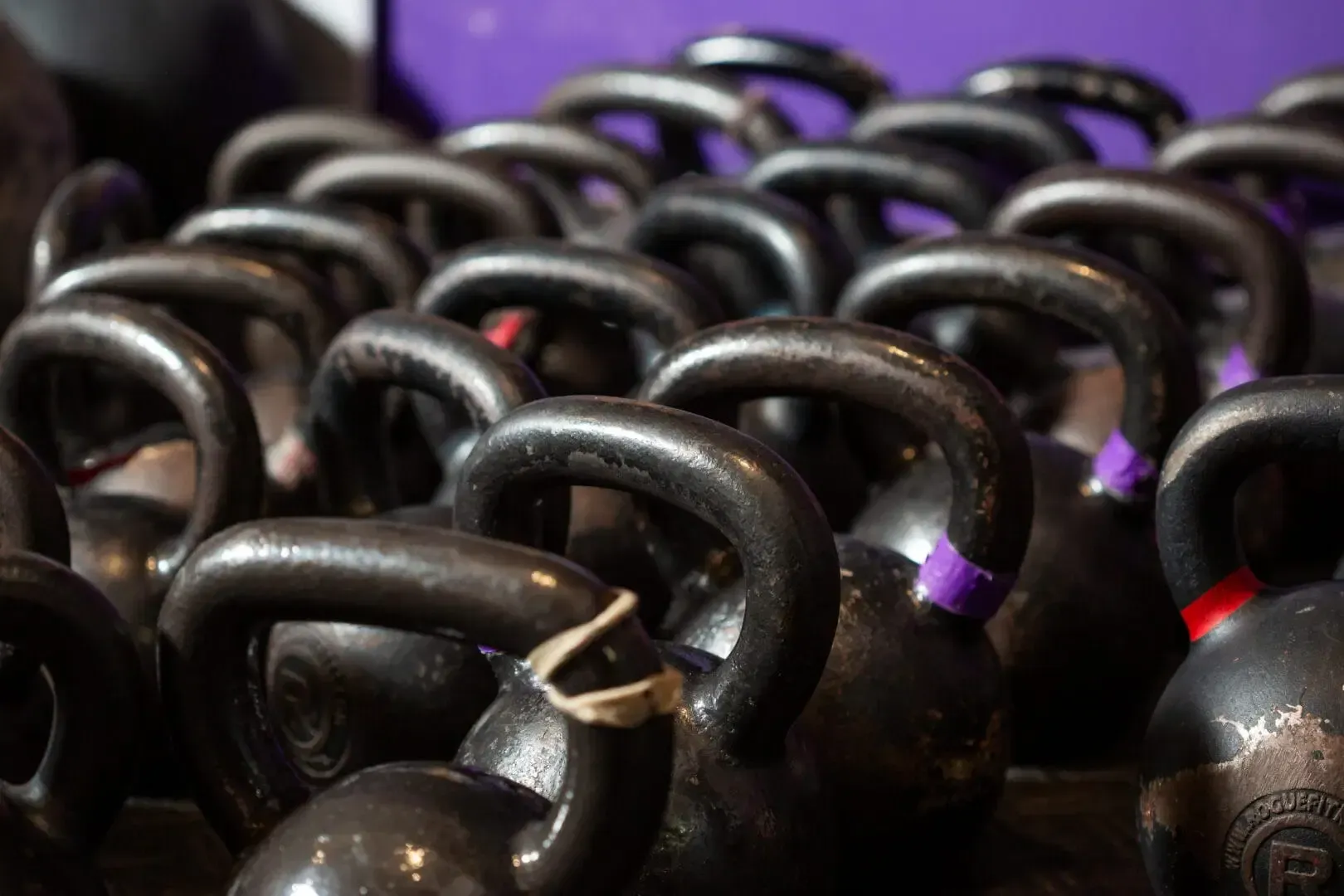
When people think about developing muscle or strength, they often picture a bodybuilder, a powerlifter, or somebody competing in strongman competitions. If those are your sports, it's pretty obvious why strength is important to you. But strength training isn't just for big, strong athletes. It's important for all sports, self-defense, fitness, and for basic quality of life.
Strength Training for Sports and Athletic Performance
Think about common sports like soccer, football, and baseball. Strength becomes an important element even when strength isn't the sport's end goal.
If I'm playing soccer, I need strength to kick the ball. I need strength and balance to support my joints as I'm cutting in different directions across the field or taking off for a sprint. I need strength and muscle development for diving, sliding, and moving - not only to increase my overall athleticism, but also to help keep my body safe.
There is a balance between strength and mobility, flexibility, and stability. But developing muscle is important for staying physically active, staying at the top of our game, and continuing to play the sport we enjoy.
Why Strength Matters in Jiu-Jitsu and Kickboxing
At Endeavor Defensive Fitness, we can also look at the importance of strength for sports like Jiu-Jitsu and kickboxing.
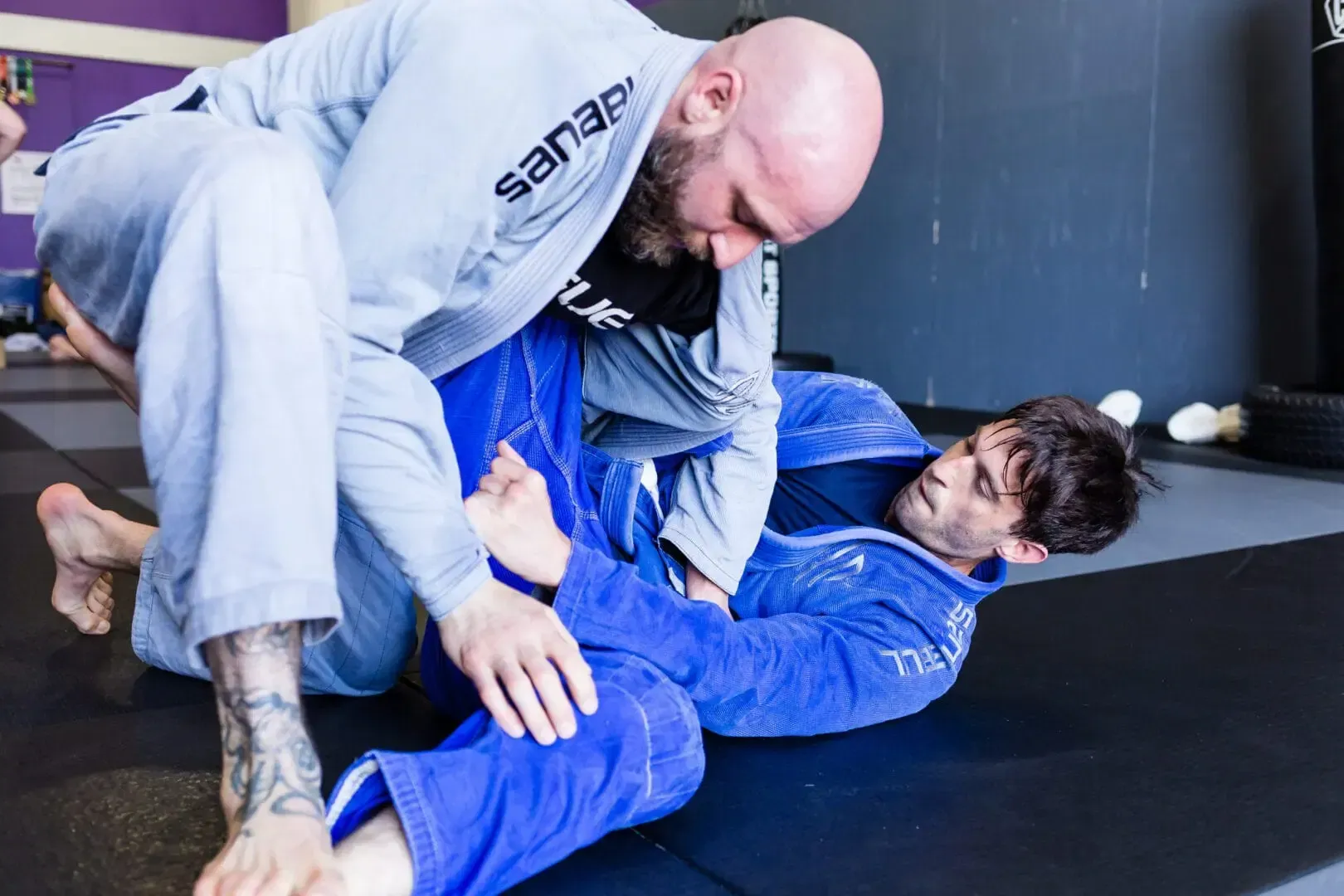
In Jiu-Jitsu, we often talk about how size and strength aren't the primary purpose of the program. The purpose is to learn how to use people's energy against them and technically deal with people who may be larger than us. That said, strength becomes a very big element of controlling people, escaping positions of control, and submitting somebody. Overall, strength is an important attribute. The stronger we can get, within reason, the better we can become at elements of Jiu-Jitsu.
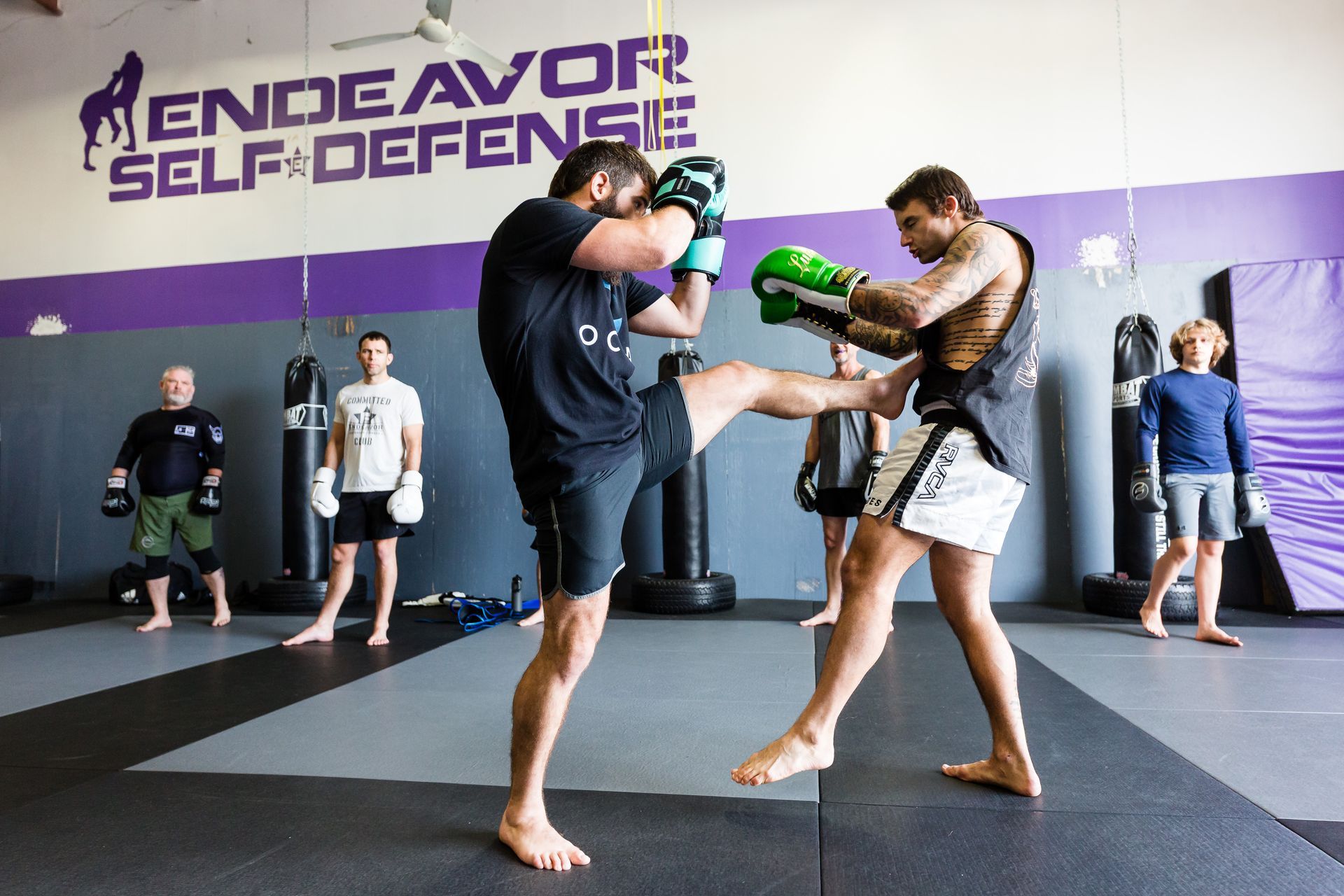
The same is true for boxing and kickboxing. If I want to hit harder, I can only do so much technical work. At some degree, we need to develop strength and power to increase our ability to kick harder, punch harder, and absorb punches and strikes as they come back at us. Strength is one piece of developing more skill and ability in these sports.
How Strength Training Relates to Self-Defense
Outside of sport, these same elements apply to self-defense. Strength is an important variable in the ability to defend ourselves. The stronger I am, the harder it may be to hurt me, pick me up and take me somewhere I don't want to go, or overwhelm me. That doesn't mean we need to be huge. Strength is an attribute we have some control over and can develop by spending time doing good strength training.
Strength also matters when we need to move quickly or get away from a situation. If I need to turn and run, being physically capable can help me run, plant, and move safely. And if I have young children, my ability to pick my children up and move them somewhere else quickly and safely is another factor. That could mean getting away from a self-defense situation, running to shelter or safety from a tornado, or moving away from a dangerous place after a car accident.
Strength training can support our sporting endeavors, our personal endeavors, and our ability to protect ourselves and our loved ones.
Strength Training for Health and Quality of Life
Strength training isn't only about performance. It's also about maintaining our ability to move and take care of ourselves as we get older. The muscle we develop throughout our lives helps support our ability to keep moving into our 50s, 60s, 70s, and beyond. We want to maintain the ability to sit down and stand up, get up off the floor, get out of bed, and lift and move things. If we develop strength and mobility in our younger years - our 20s and 30s - we can work to carry those abilities into our later years. That can mean more enjoyment out of life and less of a burden on the families who may otherwise need to care for us.
Strength training is also relevant to bone health. Research suggests that progressive resistance training can improve muscle strength and may improve bone mineral density at certain sites.
Does Strength Training Help With Weight Loss?
Increasing muscle mass may contribute to a higher resting metabolic rate. A systematic review and meta-analysis found that resistance exercise increased resting metabolic rate compared with control groups.
Strength training is key part of developing a healthier body and supporting the activities we want to keep doing. We're not talking about being big and bulky. We're talking about generalized strength training for a higher quality of life and healthy living.
Strength Training That Fits Your Life
Strength training can support our lives in many different ways: improving performance in sport, supporting self-defense, developing physical capability, and helping us maintain strength and mobility as we age.
At Endeavor Defensive Fitness in Hilliard, Ohio, our strength and conditioning programs are built around teaching people how to move safely and develop strength for the context of their lives. That may mean their jobs, their duties to their families, their sports, or the activities they want to continue enjoying.
The goal isn't necessarily to get as big and bulky or as strong as possible. It's to develop healthy ranges of motion and healthy strength that back up the things we need to do. Strength training is an important habit we can develop to take care of ourselves overall, enjoy life, and maintain a better quality of life as the years go by.
If you're looking to learn more about strength training in Hilliard, Ohio, Endeavor Defensive Fitness offers strength and conditioning programs designed around the way you need to move and the goals you want to work toward.
Recent Posts